Transforming Spaces: Interior Design Tips & How to Level Up

Updated: Sep 4
Creating a beautiful and functional space is more than just arranging furniture. It’s about transforming your environment into a reflection of your personality and lifestyle. Whether you’re redecorating a single room or planning a complete home makeover, the right interior design tips can inspire you to create a space that feels uniquely yours.
In this post, we will explore practical and creative interior design tips that can help you transform any space into a haven of comfort and style.
Understanding Your Space
Before diving into design choices, it’s essential to understand the space you’re working with. Consider the following aspects:
Assess the Layout

Room Dimensions: Measure the length and width of the room. This will help you determine what furniture will fit comfortably.
Level Up with a Designer: A designer inputs precise 3D laser-scan measurements into CAD/BIM software to visualize the floor plan, test structural alterations (like relocating walls or doorways), and verify exact clearances down to the quarter-inch.
Natural Light: Identify where the windows are located and how much natural light enters the room. This will influence your color choices and decor.
Level Up with a Designer: A professional performs a sun-path analysis across different seasons and times of day, specifying custom architectural window treatments and solar shading that protect finishes from UV damage while optimizing light penetration.
Traffic Flow: Consider how people move through the space. Ensure there are clear pathways and that furniture placement doesn’t obstruct movement.
Level Up with a Designer: A designer maps out circulation zones using commercial space-planning standards, aligning door swings, sightlines, and focal transitions between rooms to create an effortless, intuitive flow.
Define Your Style
Understanding your personal style is crucial in creating a cohesive look. Here are some popular design styles to consider:
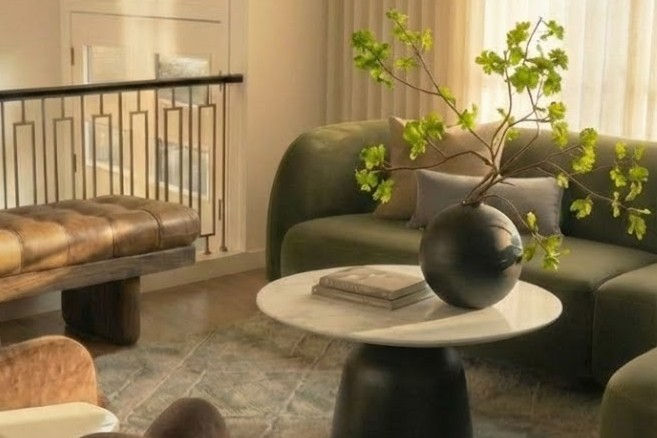
Minimalist: Focuses on simplicity and functionality, using a limited color palette and clean lines.
Level Up with a Designer: A designer elevates minimalism by incorporating hidden storage solutions, concealed joinery, flush baseboards, and subtle tonal material shifts so the space feels warm and architectural rather than stark.
Bohemian: Emphasizes a relaxed and eclectic vibe, incorporating various textures, patterns, and colors.
Level Up with a Designer: A professional sources authentic vintage, artisanal, and global textiles through trade-only vendors, curating an intentional mix of eras so the room feels collected and sophisticated rather than cluttered.
Industrial: Features raw materials like metal and wood, often with an urban feel.
Level Up with a Designer: A designer balances utilitarian grit with luxury—specifying custom patinated metals, high-end millwork, and refined upholstery to soften raw masonry and exposed structural elements.
Scandinavian: Combines functionality with beauty, using light colors and natural materials.
Level Up with a Designer: A designer introduces bespoke Nordic joinery, certified sustainably sourced timbers, and authentic mid-century Scandinavian lighting to bring pedigree, craftsmanship, and warmth to functional design.
Color Schemes That Inspire
Color plays a significant role in interior design. It can set the mood and affect how a space feels. Here are some tips for choosing the right color scheme:
Create a Color Palette
Choose a Base Color: Start with a neutral base color for walls and larger furniture pieces. This allows for flexibility in adding accent colors.
Level Up with a Designer: A designer assesses the base color’s complex undertones against both morning and evening Kelvins, ensuring the neutral doesn’t shift green, pink, or yellow under different lighting conditions.
Add Accent Colors: Use bold colors in smaller decor items like cushions, artwork, or rugs. This adds personality without overwhelming the space.
Level Up with a Designer: A professional employs precise color ratios (like the 60-30-10 rule) and sources trade textiles, custom-dyed trims, and fine art commissions that repeat the accent harmoniously across varied materials.
Consider Color Psychology: Different colors evoke different feelings. For example, blue promotes calmness, while yellow can energize a space.
Level Up with a Designer: A designer coordinates color psychology directly with circadian lighting and the room’s intended function, optimizing palette choices for rest in bedrooms and focus or productivity in home offices.
Use Paint Wisely
Accent Walls: Consider painting one wall a bold color to create a focal point.
Level Up with a Designer: Instead of just paint, a designer integrates architectural wall treatments: such as custom acoustic wood slating, textured grasscloth wallpaper, or applied molding to build tangible tactile dimension.
Textures and Finishes: Experiment with different paint finishes, such as matte or gloss, to add depth to your walls.
Level Up with a Designer: A professional specifies artisan plaster finishes (like Roman clay or Venetian plaster) or high-gloss lacquered ceilings to bounce light dramatically and provide heirloom-quality texture.
Furniture Selection and Arrangement
The right furniture can make or break a room. Here are some tips for selecting and arranging furniture effectively:
Choose Functional Pieces
Multi-Functional Furniture: Look for pieces that serve multiple purposes, such as a coffee table with storage or a sofa bed for guests.
Level Up with a Designer: A designer designs custom built-in transformable furniture with integrated charging ports, motorized drop-downs, or seamless paneling that disappears entirely into the architecture.
Scale and Proportion: Ensure that the size of the furniture is appropriate for the room. Oversized furniture can make a small room feel cramped.
Level Up with a Designer: A professional drafts scaled elevation and cross-section drawings to balance furniture visual weight against ceiling heights, window headers, and architectural details.
Arrange for Comfort
Conversation Areas: Arrange seating to encourage conversation. Sofas and chairs should face each other rather than being lined up against walls.
Level Up with a Designer: A designer establishes multiple secondary conversational vignettes within larger floor plans, calibrating voice acoustics and sightline angles for effortless entertaining.
Balance: Distribute furniture evenly throughout the room to create a sense of balance. Avoid clustering all large pieces in one area.
Level Up with a Designer: A professional balances visual mass, material density (pairing solid stone with open-leg wire frames), and light reflection to create dynamic asymmetry that remains perfectly counterweighted.
Lighting: The Unsung Hero
Lighting is often overlooked but is essential in creating ambiance. Here’s how to use lighting effectively:
Layer Your Lighting
Ambient Lighting: This is the main source of light in a room, such as ceiling fixtures or recessed lighting.
Level Up with a Designer: A designer engineers a smart, scene-based lighting system with low-glare architectural fixtures, warm-dimming LED modules, and plaster-in trimless recessed lights.
Task Lighting: Use lamps or sconces for specific tasks like reading or cooking.
Level Up with a Designer: A professional calculates foot-candle ratings and beam spreads to ensure zero-shadow illumination at work planes, hardwiring sconces directly into cabinetry or reading niches.
Accent Lighting: Highlight artwork or architectural features with spotlights or LED strips.
Level Up with a Designer: A designer hides linear warm-LED channels within millwork reveals, floating toe kicks, and ceiling coves to illuminate architectural texture without visible light sources.
Natural Light
Maximize Natural Light: Use sheer curtains to allow light in while maintaining privacy. Mirrors can also reflect light and make a space feel larger.
Level Up with a Designer : A designer installs ceiling-recessed motorized drapery pockets paired with anti-reflective, museum-quality glass and antiqued mirror paneling designed to reflect garden vistas rather than visual clutter.
Textures and Patterns
Incorporating different textures and patterns can add depth and interest to your space. Here’s how to do it:
Mix Textures
Layering: Combine various materials like wood, metal, and fabric to create a rich, inviting atmosphere.
Level Up: A designer creates a curated material matrix that balances tactile temperatures—pairing cool honed marble with tactile bouclé, fluted timber, and brushed warm brass.
Textured Fabrics: Use cushions, throws, and rugs in different textures to add warmth and comfort.
Level Up: A professional sources commercial-grade luxury textiles (performance mohair, Belgian linen, bouclé) that carry high double-rub abrasion counts for enduring softness and durability.
Patterns
Balance Patterns: If you choose bold patterns, balance them with solid colors to avoid overwhelming the space.
Level Up: A designer masterfully mixes scales across three or more patterns (e.g., a micro-geometric, a medium stripe, and a large-scale botanical) while keeping color values aligned for a cohesive look.
Accent Pieces: Use patterned items like pillows or artwork to introduce color and interest without committing to a full room makeover.
Level Up: A professional commissions custom soft furnishings featuring contrast welt cords, hand-applied trim tape, and pattern-matched seams crafted specifically to tie into the room's art collection.
Personal Touches
Your space should reflect your personality and interests. Here are some ways to add personal touches:
Artwork and Decor
Gallery Wall: Create a gallery wall with framed photos, artwork, or mirrors to showcase your style.
Level Up: A designer plans gallery arrangements with custom museum-grade matting, anti-UV archival glazing, and dedicated framing consultations to protect and showcase collections under targeted picture lights.
Personal Collections: Display items that hold sentimental value, such as travel souvenirs or family heirlooms.
Level Up: A professional incorporates backlit bespoke shelving niches or custom museum pedestals to elevate personal artifacts into gallery-worthy interior focal points.
Plants and Greenery
Indoor Plants: Incorporate plants to bring life and color into your space. They also improve air quality and create a calming atmosphere.
Level Up: A designer collaborates with biophilic specialists to select plants that thrive in the specific microclimates of the home, integrating automated sub-irrigation planters directly into the architecture.
Planters: Use decorative planters that complement your decor style.
Level Up: A professional commissions custom hand-thrown ceramic vessels or sculptural stone urns scaled specifically to anchor empty architectural corners.

Low maintenance house trees, Source: Plant Daddies
Practical Tips for Small Spaces
If you’re working with a small space, consider these tips to maximize functionality and style:
Use Vertical Space
Shelving: Install shelves to utilize wall space for storage and display.
Level Up: A designer designs floor-to-ceiling built-in libraries featuring rolling ladders, flush joinery, and concealed cable passages to maximize every square inch.
Tall Furniture: Opt for tall bookshelves or cabinets to draw the eye upward and create the illusion of height.
Level Up: A professional can design custom full-height architectural paneling and floor-to-ceiling doors with concealed pivot hinges to emphasize verticality and visually double ceiling heights.
Conclusion
Transforming your space into a stylish and functional environment doesn’t have to be overwhelming. While understanding your space, playing with color palettes, and curating personal decor are great starting points, bringing your vision to its fullest potential can be assisted with an expert touch.
Partnering with an interior designer bridges the gap between everyday DIY tips and a truly elevated, cohesive living experience. A professional brings technical precision from architectural CAD layouts and custom millwork to trade-only sourcing and complex lighting schemes. Saving you costly trial-and-error while maximizing your home's functionality and value.
Remember, interior design is a journey and having an expert in your corner turns that journey into a seamless, inspiring transformation. Happy decorating!

About the Author: Lindsey Tookey is an interior designer dedicated to demystifying high-end design rules for everyday living. Believing that a well-balanced room should feel just as good as it looks. She is the founder of a full-service residential interior design and project management studio serving the Greater Seattle area and Eastside. Ready to bring balance to your next remodel, build, or furnishing project? Connect with the team at lindenashdesign.com/contact.



Comments